
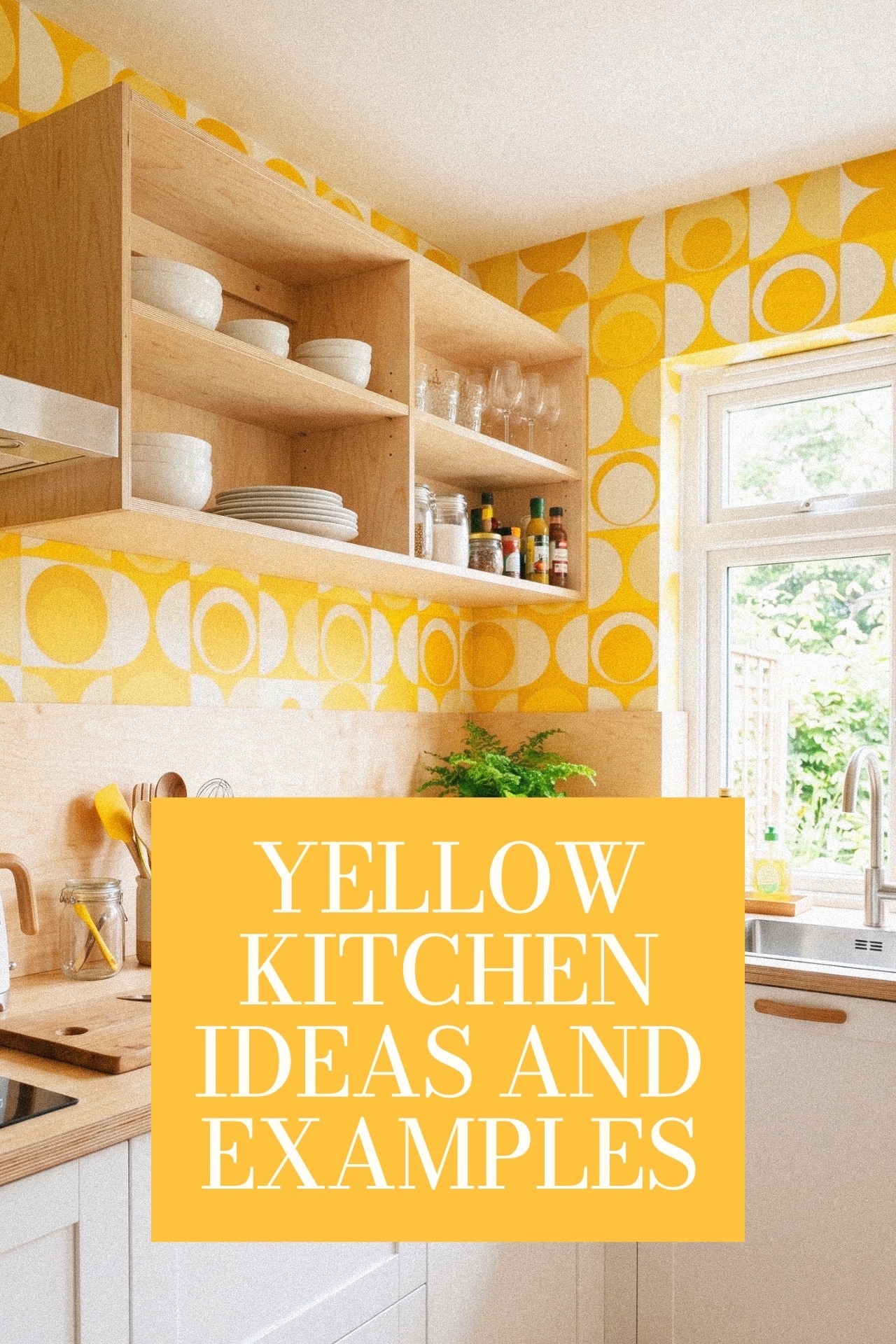
Yellow is a difficult colour for a kitchen, but it can be practical if you do not overdo it. This guide shows how to introduce yellow through small steps without disrupting your budget and visual peace.
Yellow is probably the first colour which comes to mind when you think about how to escape from the cold minimalist interior.
Do you consider a yellow overlay in your kitchen? Embracing a warmer color palette can breathe life into the heart of your home. Yellow color can lighten up the space, as it practically radiates cheer and optimism.
In Scandinavia, the winters are rather long and grey, so people sometimes use yellow to trick the brain into thinking there is some sunlight inside.
On the other hand, yellow is a difficult colour for a kitchen because if you choose the wrong shade or approach, your kitchen will look like a cheap plastic lemon or a bad hospital from the seventies.
The secret is to avoid the bright, aggressive yellow. Instead, you should look at a muted ochre, or maybe a soft mustard tone. It matches nicely with a simple grey stone or some honest oak wood. That’s just the beginning.
Yellow kitchen design – pros and cons
Yellow in a kitchen is a serious decision. It can be quite useful for the mood, but it can also become annoying if you prefer to calm down.
Here are the practical aspects to consider before making any decisions:
Pros of a yellow kitchen
- Improves the light: It makes a dark room feel a bit brighter, which is useful when the sun disappears for months.
- Creates warmth: It replaces the cold feeling of standard white or grey flat-pack kitchens without needing a fireplace.
- Stimulates activity: It is a colour that wakes you up in the morning, so you perhaps need less strong coffee to start the day.
- Complements natural wood: It goes nicely with honest materials like birch, ash, or oak, which we use quite a lot.
- Hides daily dust: A muted ochre surface does not show every little piece of flour or breadcrumb immediately.
Cons of a yellow kitchen
- Causes visual fatigue: If the shade is too aggressive, or if the yellow elements take up too much space, you will likely grow tired of it before the winter is over.
- Lowers resale value: Most people are quite conservative when buying a house and prefer boring colours that do not stand out.
- Tricky to match: It can clash badly with certain metal finishes or the wrong type of stone worktops.
- Alters food appearance: Artificial light bouncing off bright yellow walls can make your fish or vegetables look slightly strange.
- Shows cooking grease: Darker grease spots can become quite visible on light, buttery yellow cabinet doors.
Yellow kitchen design – what’s the best approach?
If you want to introduce this colour to your kitchen without regretting your life choices, find a structured strategy that suits your expectations and character. It is about control and proportion, much like how we plan our home budgets.
Here are the four most sensible approaches for a balanced yellow kitchen interior:
Invest in a single significant appliance: A large freestanding refrigerator or a professional stove in a muted mustard tone creates a solid focal point. This approach works quite well because the colour is contained within a functional, industrial object. It prevents the room from looking like a children’s daycare centre while adding the necessary light to grey steel surroundings.
Introduce small accessories and tableware: This is the safest method for cautious people. You can just add yellow ceramic mugs, a simple linen tablecloth, or a classic enamel kettle. It gives a small warmth dose that is easy to remove when the trend becomes boring. It is a very economical way to test if you actually tolerate the colour in your morning routine.
Replace the splashback tiles: Changing the wall tiles behind the worktop is a sensible compromise. A row of handmade tiles in an earthy ochre or pale straw colour gives a textured, craft-focused look. It sits nicely between the upper and lower cabinets, especially if the rest of the furniture is made from a quiet birch wood or has a simple matte grey finish.
Install simple textile window dressings: Adding plain curtains or a functional roller blind in a washed lemon-tinted fabric is very effective. When the daylight passes through the thin material, it creates a pleasant fake sunshine effect inside the room. It is a very practical solution for north-facing kitchens that suffer from a chronic lack of natural brightness.
Yellow kitchen design examples
Mixed colour tiles, including yellow
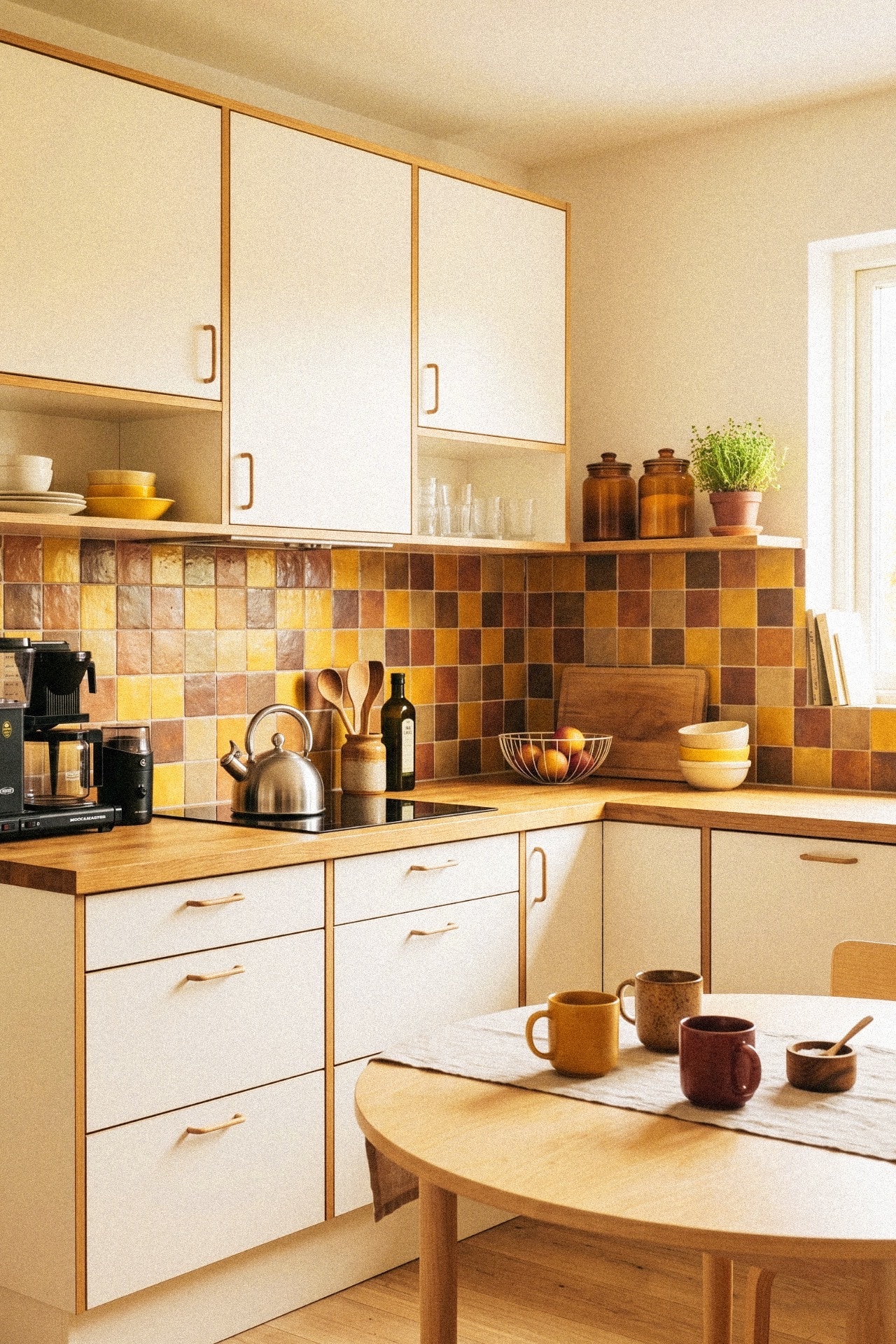
Using mixed tiles behind the worktop is a clever way to properly handle the yellow.
When you mix a modest yellow with brown and a rusty orange, the eye does not get tired so quickly. It creates a natural balance, much like the autumn leaves in our forests.
The major benefit of this approach is the flexibility it gives for the future. If you grow weary of the yellow sentiment, you do not need to tear down the wall or buy new cabinets. You simply replace the yellow accessories with brown or rusty orange ones to make the other colour dominate the kitchen space.
The good thing about this approach is that the infrastructure stays exactly the same, which is a very economical way to run a household.
Yellow curtains, cushions and textiles
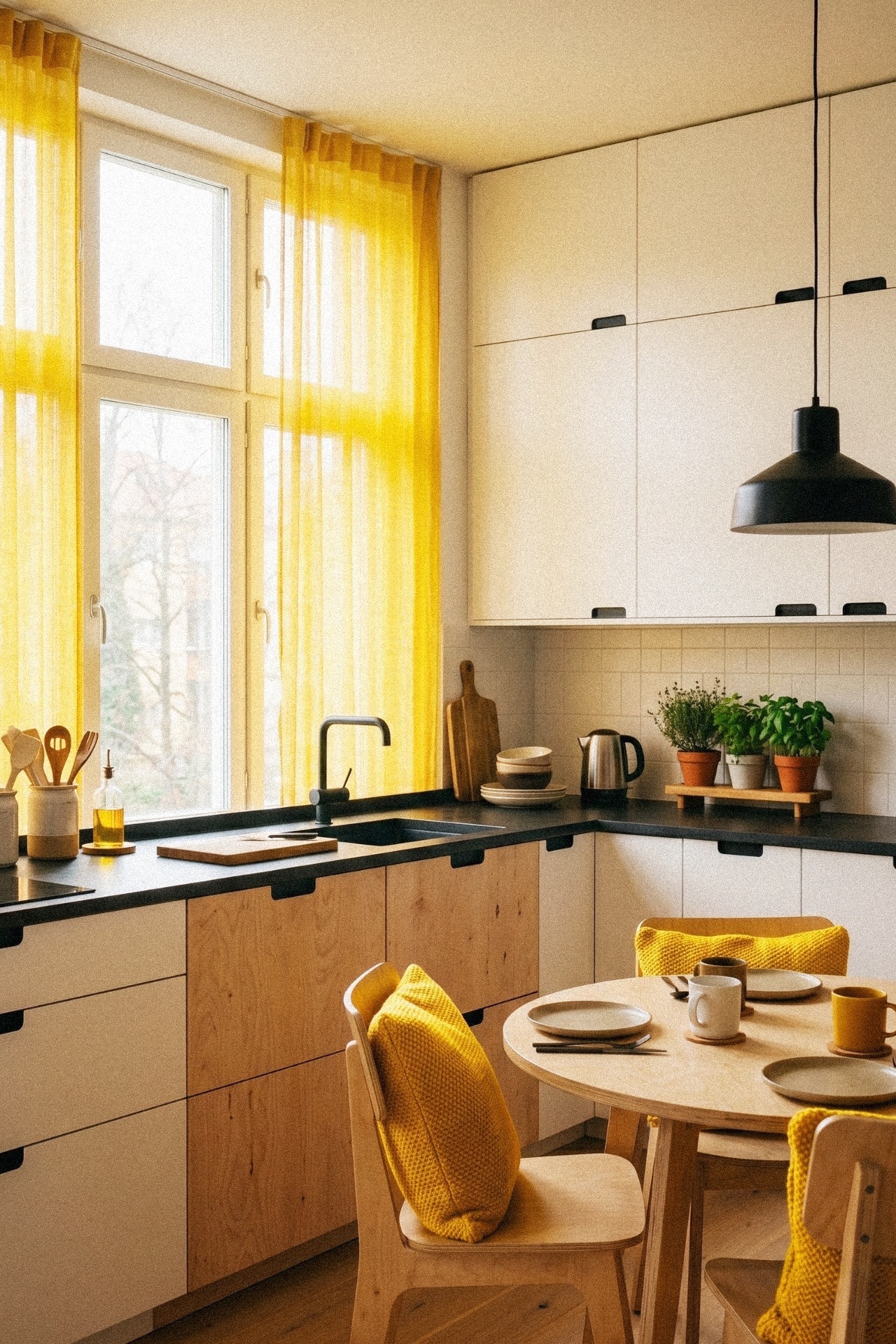
This approach shows that you can achieve a cosy atmosphere just by introducing smart textiles that are easy to wash and simple to replace when you want a quieter look for the summer months.
By using thin, transparent curtains in a clear yellow tone, you can create a useful illusion of daylight. Even on a grey Tuesday afternoon when the sky looks like wet concrete, the light filtering through the fabric becomes warmer.
The yellow cushions on the chairs provide a nice repetition of the colour without making the room look chaotic. It is a simple, mechanical trick for the brain that does not require an expensive electrical installation.
Multiple yellow utensils and tableware
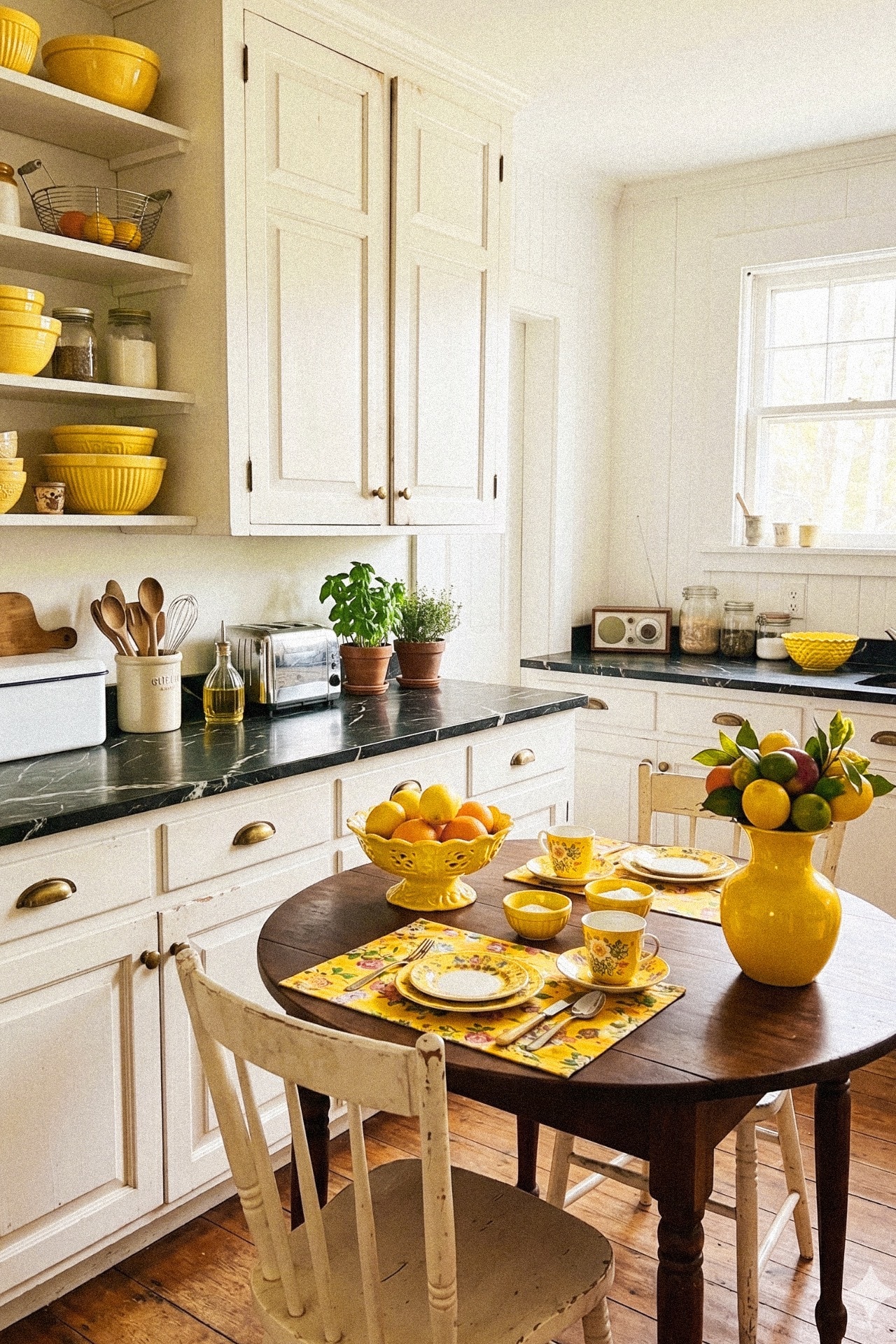
In this idea, the yellow sentiment is introduced through a strategy of accumulation. It relies on placing multiple small yellow items like patterned placemats, decorative bowls, ceramic cups, or a prominent vase.
When grouped together, these small elements create a strong, yellow focal point that anchors the entire room.
This approach is practical because it requires no structural changes or high investment. If you decide that yellow is no longer satisfying after the winter months, you can simply put these items into a cabinet and replace them with a quieter colour.
Single yellow kitchen appliance
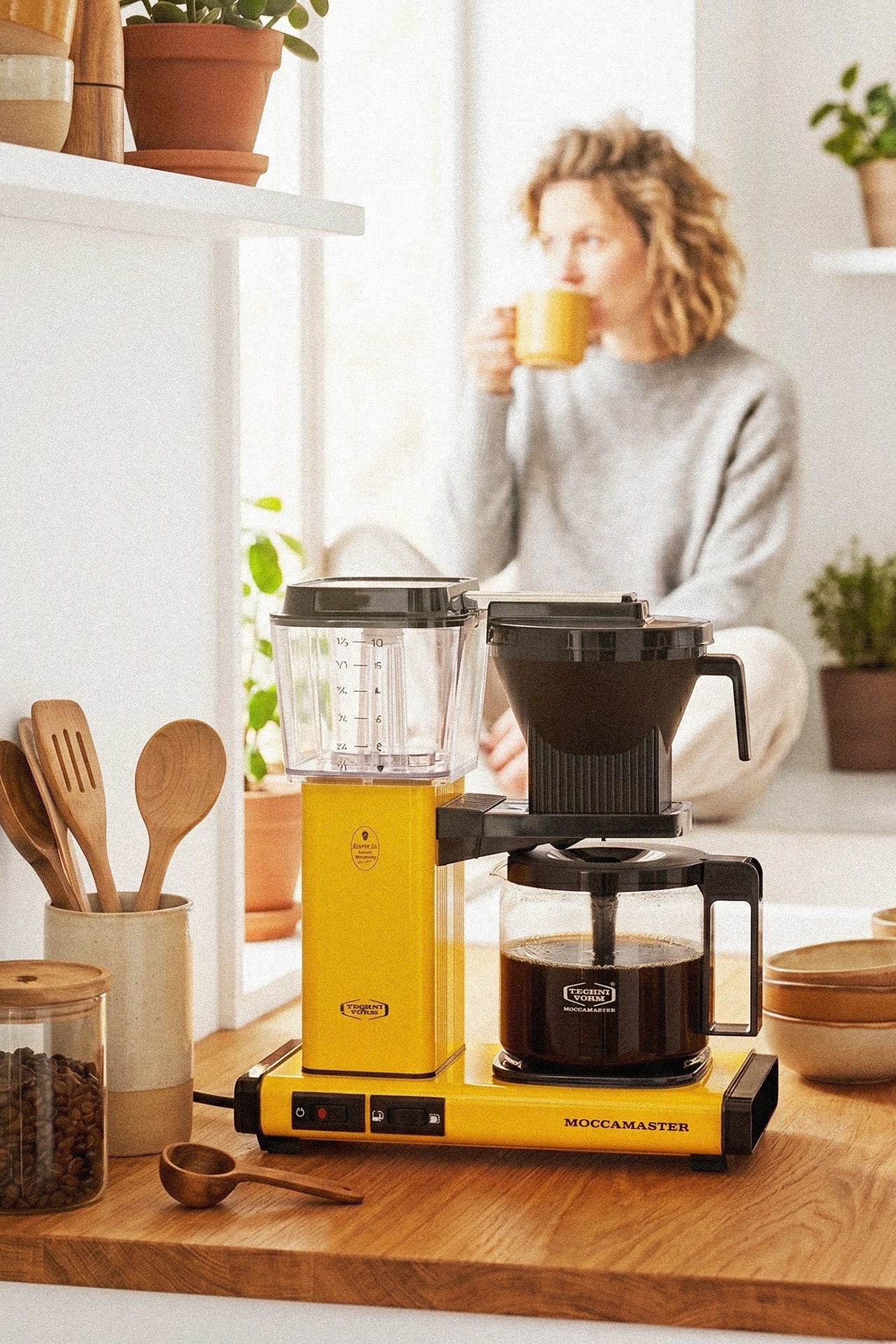
The photograph demonstrates the idea of the single prominent appliance changing the perception of the kitchen colour.
When you place a yellow coffee machine or kettle on your worktop against a quiet white wall, it becomes a distinct focal point without causing a visual headache. It tells the visitor that you have a specific interest in an optimistic energy, but you do not need to paint the whole room to prove it.
This approach created a pleasant balance with the simple white surfaces and the natural wood texture – which you probably already have in your kitchen. It shows that good design is about restraint and placing the accent exactly where the utility happens, rather than spreading colour everywhere like an enthusiastic amateur.
Yellow kitchen appliances and accessories
The yellow colour option is an interesting idea for a kitchen space. If we choose to follow the path of discrete accents rather than fully painted walls, it is useful to select specific objects that carry this tone with proper utility.
Here is a small list of yellow kitchen items that offer both the required visual warmth and standard functional value for your consideration:
- Smeg compact fridge in warm yellow: A small freestanding refrigerator in a pale yellow tone. It provides a solid block of colour that works well as a distinct accent piece in an otherwise monochrome kitchen corner.
- Technivorm Moccamaster 53942 10-cup coffee maker: A reliable filter coffee machine finished in a bright yellow casing. It sits quietly on a kitchen worktop, delivering a steady supply of hot beverage without taking up too much room.
- Nespresso Vertuo Pop+ coffee and espresso machine by De’Longhi: A compact pod machine in a mango yellow shade. It occupies very little counter space and serves as a simple, functional tool for quick morning espresso preparation.
- STAUB ceramic 2-pc large universal bowl set: A pair of 6.5-inch stoneware bowls in a muted citron yellow glaze. They are safe for oven and microwave use, making them practical for both preparation and table service.
- Le Creuset stoneware London mugs multiple colors: Sturdy ceramic mugs with a durable glazed finish. They offer good heat retention for daily hot drinks and add a small, controlled amount of colour to an open kitchen shelf.
- Guzzini Happy Hour tumbler yellow: A simple plastic drinking glass with an orange-yellow tint. It is a highly practical choice for outdoor dining or casual daily use, being quite resistant to drops.
This list avoids the problem of overdecorating while allowing your readers to test how the shade feels in their daily routine.
If you are ready to explore more options, check out our list of yellow kitchen appliances, accessories, cookware and tableware on Amazon.



 Ohävn
Ohävn 
You must be logged in to post a comment.