

From minimalist Danish shelving to textured Italian lime-wash, these various European approaches give you a flexible toolkit for turning an unused nook into a functional, cozy place to sit with a book.
Why do book lovers look to Europe when they want to build a reading corner? The answer is quite simple. It comes down to climate, history, and a basic human need to stay comfortable indoors when the weather outside is wet and miserable.
Across the continent, different regions have spent centuries solving the exact same problem: how to create a quiet, functional spot to sit with a book. A home in southern Spain approaches this through cool plaster and shade, while a flat in Copenhagen relies on good lamps and soft wool.
This variety gives us a remarkable range of styles to choose from today. You do not need a massive house or an endless budget to make these ideas work. You simply need to understand the core elements of each regional approach.
Europe is not a single aesthetic, of course. It is a collection of distinct cultures, each with its own relationship to materials, light, and architecture. This is why European design offers such versatile inspiration for personal spaces.
In this list, we have gathered trending styles that actually make sense for modern homes. We move from the structured calm of warm minimalism to the rich curves of Parisian Neo Deco, covering everything in between.
So, let us look at how you can adapt these European reading nook ideas to fit your own home and your reading habits.
European aesthetic reading nook ideas
- Europe inspired reading nooks – preview
- French Riviera coastal warm minimalism window reading seat
- Oxford University dark academia reading corner
- Tuscan villa organic terracotta reading nook
- Scandinavian modern warm minimalism
- English countryside cottagecore
- Parisian Neo Deco salon reading corner
- Swiss Alps alpine folk reading retreat
- Delftware Dutch heritage hearthside reading nook
- Budapest 1970s socialist-modernist reading corner
- Scottish Highlands gothic revival library reading corner
- Spanish modernist plaster arch reading nook
- Venetian canal side plaster alcove reading nook
- Copenhagen loft Japandi hybrid reading corner
- Montenegrin coastal classicist veranda reading retreat
- German Bauhaus emotional minimalism reading space
- Prague baroque-modern heritage reading attic
- Belgian apartment secret reading alcove
- Dutch canal-house earthy tone reading place
- Yorkshire Moors romantic gothcore reading space
- Greek organic under the stairs reading nook
- Europe inspired reading nooks – conclusions
Europe inspired reading nooks – preview

French Riviera coastal warm minimalism window reading seat
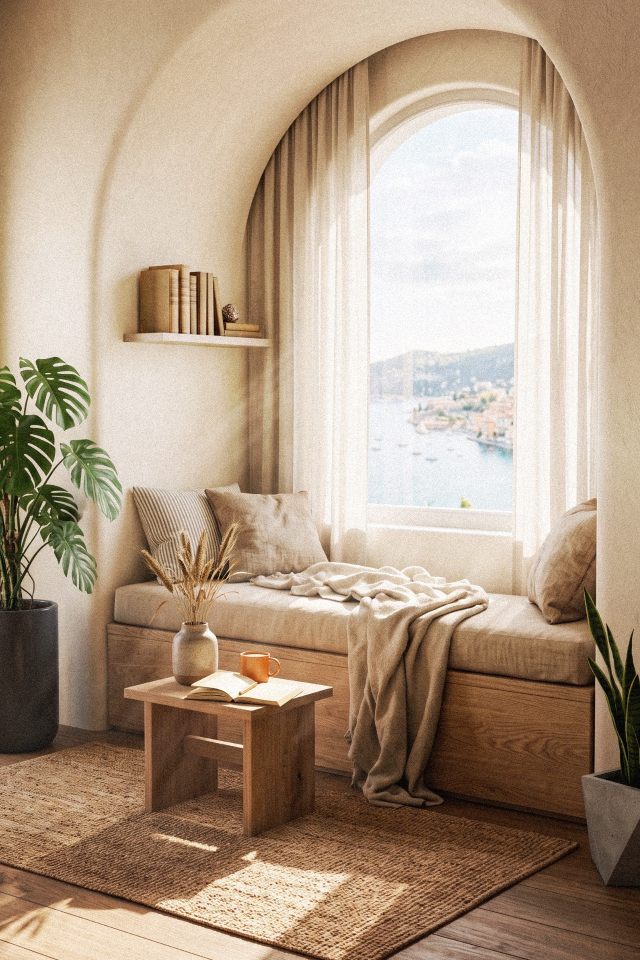
Coastal design in the south of France is not about blue stripes or anchor motifs. It relies on textured plaster, pale oak, and architectural curves that soften the sunlight. Using built-in seating rather than bulky furniture creates an uncluttered layout, allowing the room to breathe while maintaining a clear functional purpose.
Natural textiles like sandy linen and soft wool balance the hardness of plaster walls. They capture light without reflecting a harsh glare, which makes long reading sessions considerably easier on the eyes. It is a sensible way to bring warmth into a bright space without relying on excessive decoration.
This style works for a reading nook because it eliminates visual noise. The combination of low-profile furniture and subtle, tactile materials creates a grounded space where you can actually focus on a book rather than being distracted by surrounding clutter.
Oxford University dark academia reading corner
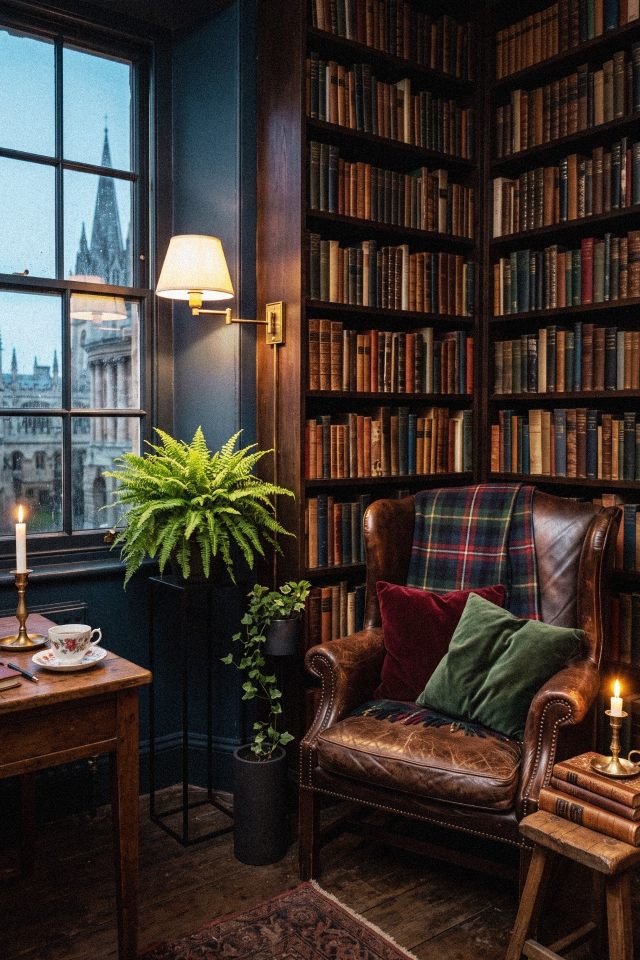
Dark academia draws heavily on traditional English institutional interiors, where dark wood stains and deep jewel tones set a serious, quiet tone. Floor-to-ceiling shelving and dark blue paint absorb ambient light, creating an enclosed, quiet retreat within a larger room.
Heavy leather seating, tartan wools, and rich velvets are classic elements of this aesthetic. Leather ages predictably and holds up to decades of use, gaining character over time. Layering these historical materials adds physical weight and acoustic damping, which quietens the room naturally.
As a reading nook, this setup excels at creating a sense of total isolation. The dark palette signals to the brain that it is time to slow down, making it an ideal design choice for deep study or evening reading when the weather outside is less than inviting.
Tuscan villa organic terracotta reading nook
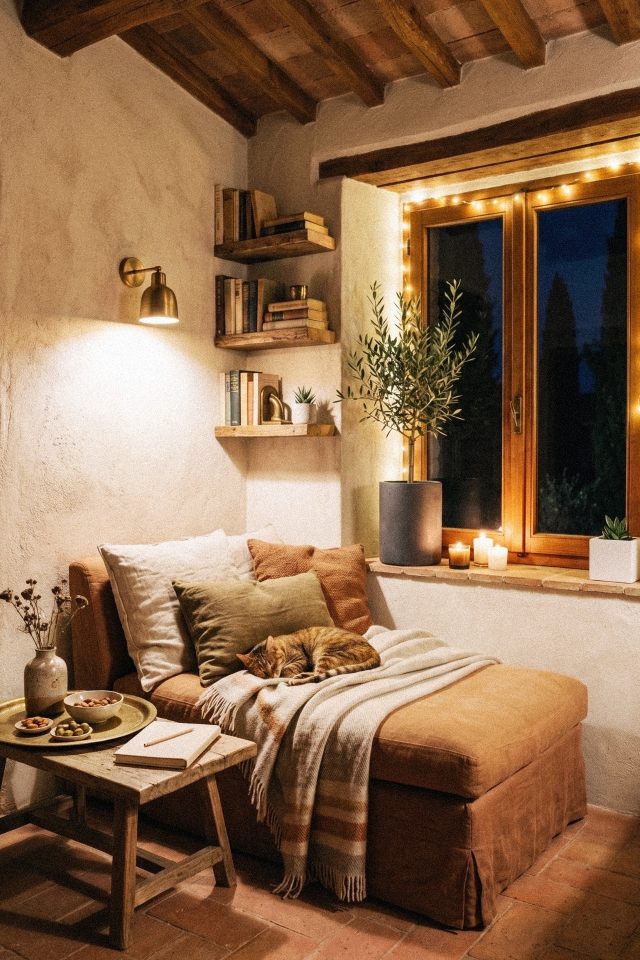
Tuscan interior design relies on breathable, raw materials like lime-wash plaster, exposed ceiling beams, and matte terracotta tiles. These elements have been used across central Italy for centuries because they regulate indoor temperatures naturally while offering a deeply tactile surface texture.
A low-slung linen slipcovered chair in earthy sienna tones anchors the space comfortably. Combined with unlacquered brass hardware – which naturally patinates over time – the color palette feels tied to the landscape outside. It is practical design that looks better the more it is used.
This approach creates a reading corner that feels permanently warm and inviting. The grounded, natural materials diffuse bright afternoon light softly, making it a very comfortable spot to sit quietly until late night.
Scandinavian modern warm minimalism
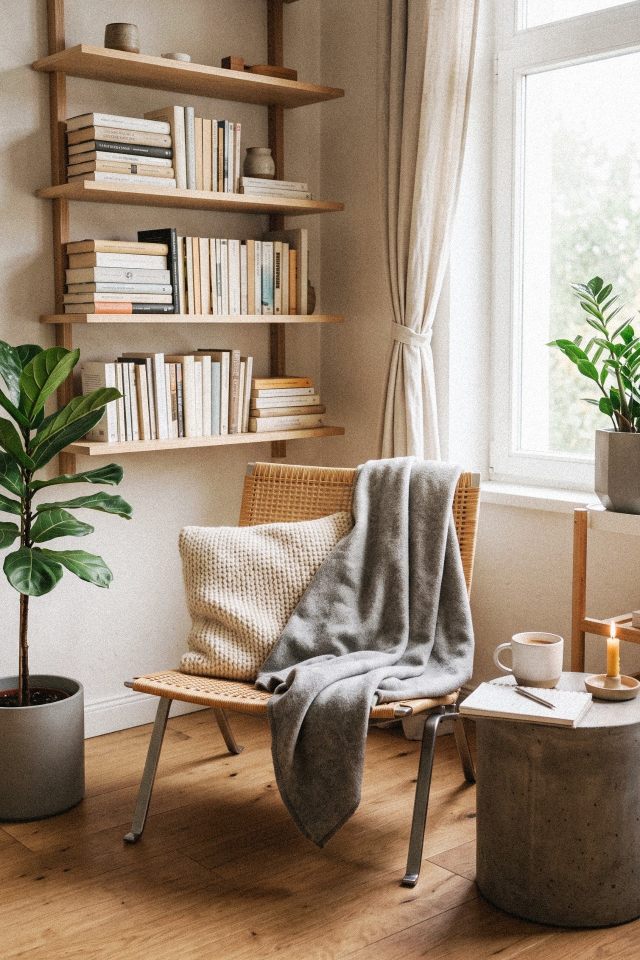
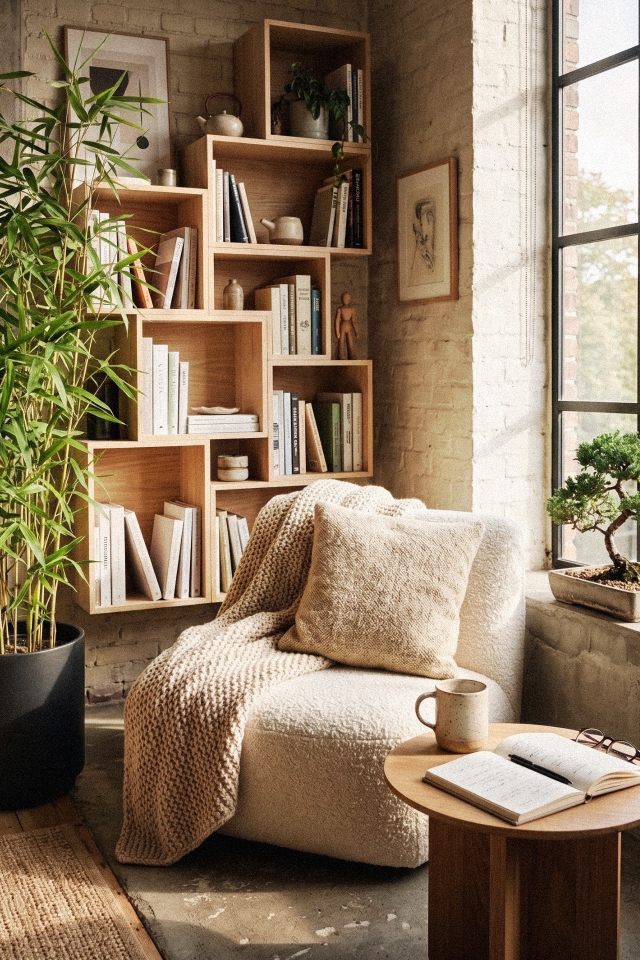
Danish and Swedish mid-century design prioritises function and structural clarity above all else. Pieces like the PK22 lounge chair combine woven cane with simple chromed steel, keeping the footprint light and visually unobtrusive on pale oak flooring.
Modular shelving systems in light ash allow for easy customization without overwhelming small spaces. Paired with monochrome wool cushions and simple gray textiles, the design relies on subtle tonal variations rather than bright colors to build atmospheric warmth during long winters.
For a reading nook, this rational approach is hard to beat. There are no redundant design elements, meaning the space remains calm, orderly, and entirely focused on comfortable utility.
English countryside cottagecore
The traditional English cottage aesthetic focuses on architectural integration, often utilising bay window recesses for built-in seating. Rustic timber frames and muted floral textiles give the space a relaxed, historically rooted character that feels organic to the home.
Layering knitted wool blankets and soft cotton lace creates a gentle filter for daylight. Using smaller, warm light sources at varying heights ensures the space remains functional well after the sun goes down, without needing harsh overhead fixtures.
This style makes an exceptionally cozy reading corner because it turns awkward architectural nooks into primary seating. It feels lived-in by default, meaning you do not have to worry about keeping everything strictly arranged.
Parisian Neo Deco salon reading corner
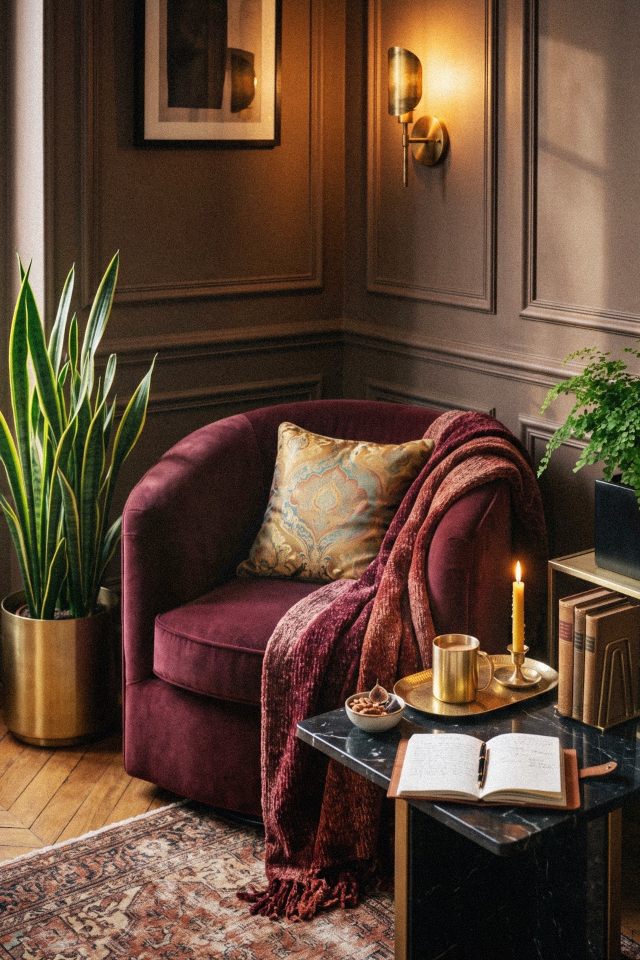
Neo Deco design in Paris takes classic Hausmannian period panel moldings and pairs them with modern “fat furniture” silhouettes. Deep burgundy velvets and rounded barrel chairs offer a soft contrast to the rigid geometry of traditional wall paneling.
Unlacquered brass wall sconces and dark polished marble surfaces bring a touch of mid-century French sophistication into the space. The contrast between warm, soft upholstery and cold, solid stone gives the layout a balanced visual weight.
It serves as a reading nook by offering deep, supportive seating that wraps around the reader. The rich colors and soft ambient lighting make it particularly well-suited for late-evening reading.
Swiss Alps alpine folk reading retreat
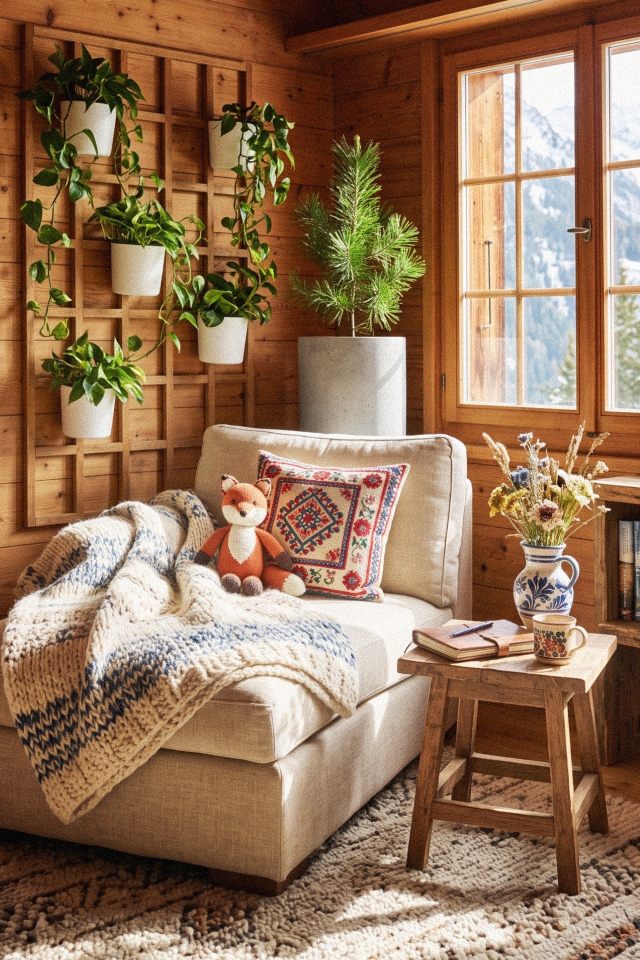
Alpine interior design relies heavily on thick, exposed pine paneling and heavy structural beams to create a sense of protection against the elements. It is a functional style developed to keep mountain homes feeling secure and warm.
Integrating indoor greenery through vertical wall trellises brings the outside in, balancing the heavy timber surfaces with lively organic forms. Heavy wool-knit textiles and sturdy wooden furniture complete a setup built for durability and warmth.
As a reading space, the alpine retreat offers maximum psychological comfort. The scent of natural timber and the visual warmth of the wood framing create a quiet, grounded environment for reading during colder months.
Delftware Dutch heritage hearthside reading nook
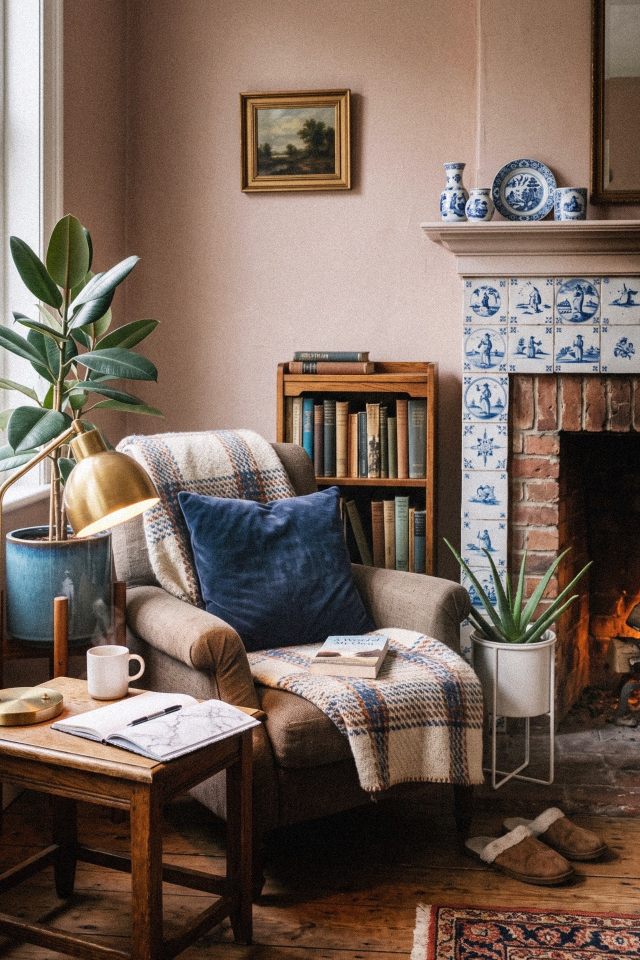
Traditional Dutch hearthside design uses hand-painted Delft tiles around fireplaces to reflect heat and light back into the room. Pairing these historic ceramic details with soft, warm neutral walls balances the cool, overcast light typical of Northern Europe.
A classic reading chair positioned near the hearth benefits from layered wool throws and simple oak furniture. Unlacquered brass lamps provide focused task lighting precisely where it is required, avoiding unnecessary brightness elsewhere.
This setup works brilliant for a reading nook because it centers the activity around the warm heart of the home. It is a traditional approach that has proven its practical comfort over several centuries.
Budapest 1970s socialist-modernist reading corner
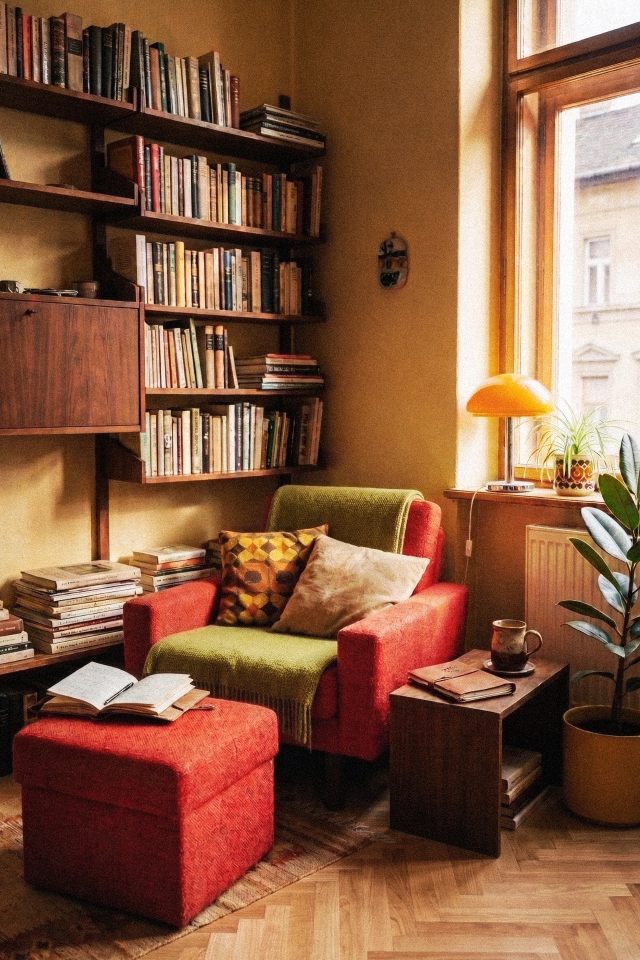
Socialist-modernist design from 1970s Budapest is remarkably pragmatic. It pairs simple geometric shapes with surprisingly durable materials like heavy oak herringbone parquet and faded mustard plaster. A modular walnut shelving system utilizes vertical space efficiently, offering maximum book storage without taking up precious floor area.
The boxy, low-slung armchair upholstered in coarse poppy-red wool brings a sharp pop of color into an otherwise muted room. Combined with a heavy olive-green blanket and structured footstool, it offers straightforward comfort for long evenings.
This style makes an excellent reading corner because it relies on solid, unpretentious furniture built to last. The combination of rich wood, warm lighting, and textured wool creates a quiet retreat that feels nostalgic and entirely focused on the simple task of reading.
Scottish Highlands gothic revival library reading corner
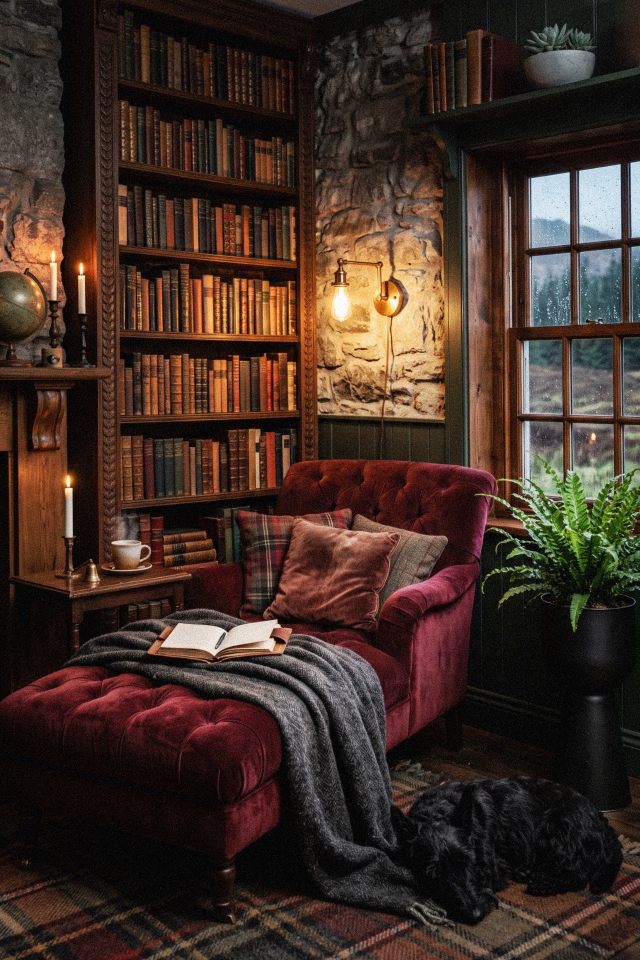
Scottish Highlands gothic style library design uses deep forest greens, dark paneled timber, and heavy drapery to shield interior spaces from harsh weather. Sturdy carved wooden chair or chaise longue offers upright, structured support, ideal for long reading sessions.
Rich red velvet drapes and charcoal wool blankets absorb sound and trap warmth effectively. Low-level candlelight and warm bronze wall sconces provide soft, targeted illumination that keeps shadows gentle rather than harsh.
It makes a reading nook feel like a private sanctuary. The heavy, dark materials create a clear physical barrier from the rest of the house, allowing for complete immersion in whatever book you are holding.
Spanish modernist plaster arch reading nook
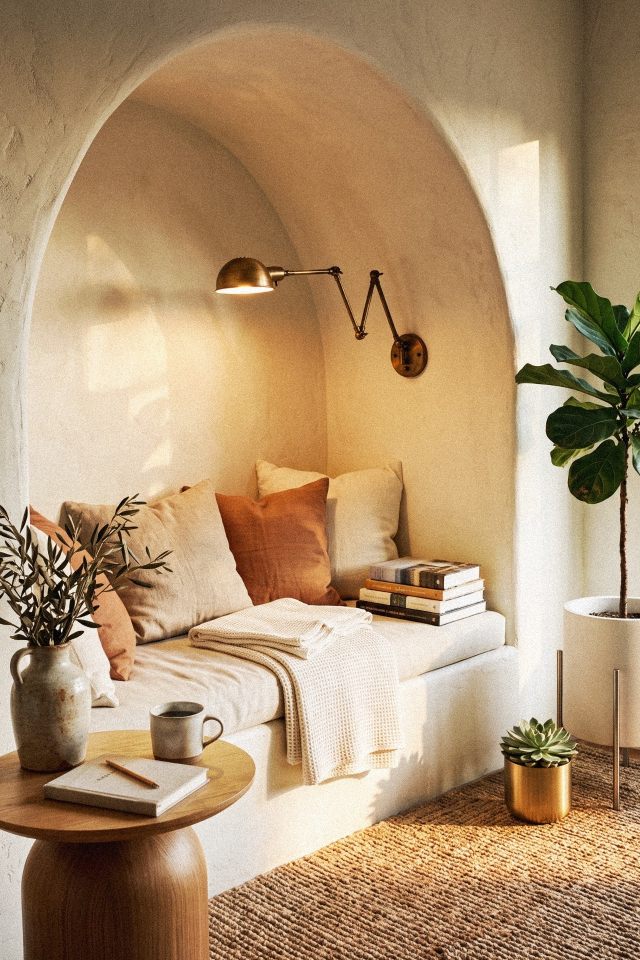
Spanish modernism uses organic, hand-applied lime-wash plaster to form seamless architectural arches and built-in benches. The smooth, flowing lines eliminate sharp corners, creating a continuous, calm surface that catches natural light softly.
Low plaster seating dressed with simple linen cushions keeps the layout clean and uncomplicated. Accents like unlacquered brass swing-arm lamps and zellige or oak side tables introduce subtle craftsmanship without cluttering the floor space.
This style provides a remarkably peaceful reading environment. The soft, curved lines of the plaster arch create a natural frame around the reader, offering a quiet, sheltered feel without feeling closed in.
Venetian canal side plaster alcove reading nook
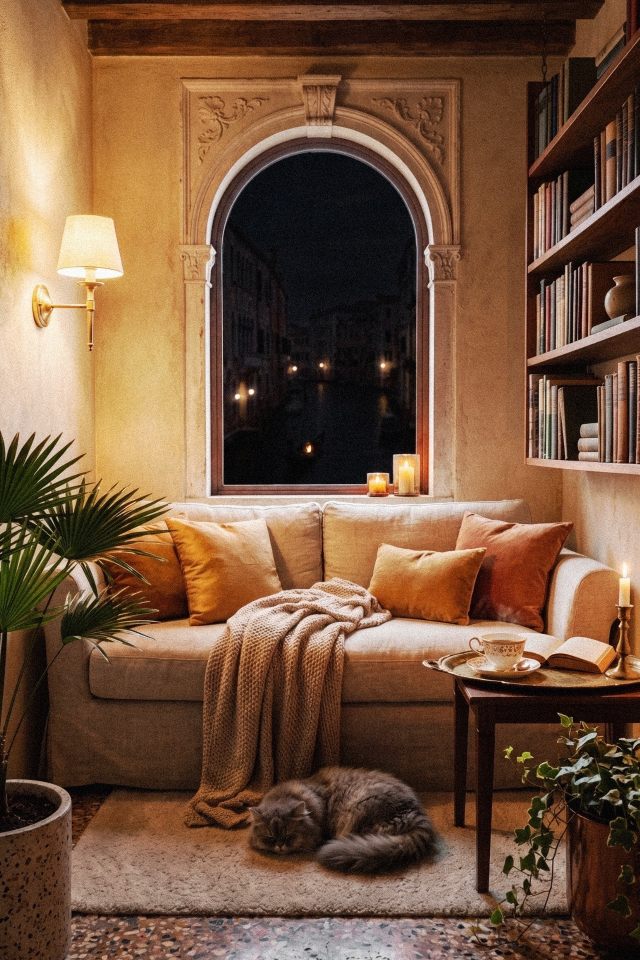
Traditional Venetian interior design relies on layered textures like smooth Venetian plaster and vintage gilded frames to capture the soft, shifting light near the water. Oatmeal-toned linen slipcovers keep the seating relaxed and practical.
Misty morning light diffuses beautifully across textured plaster, while warm knitted blankets and silk cushions provide varied tactile feedback. Simple wooden shelving units store books neatly without distracting from the wall finishes.
It functions as a reading nook by offering a muted, calm environment where light is soft on the eyes – especially in the evening. The combination of plaster, linen, and aged brass gives the space an effortless, historic atmosphere.
Copenhagen loft Japandi hybrid reading corner
Japandi design in Copenhagen merges Scandinavian hygge with Japanese wabi-sabi principles. It relies on clean, modular shelving systems in light ash wood and low-slung, textured bouclé seating in warm sand tones.
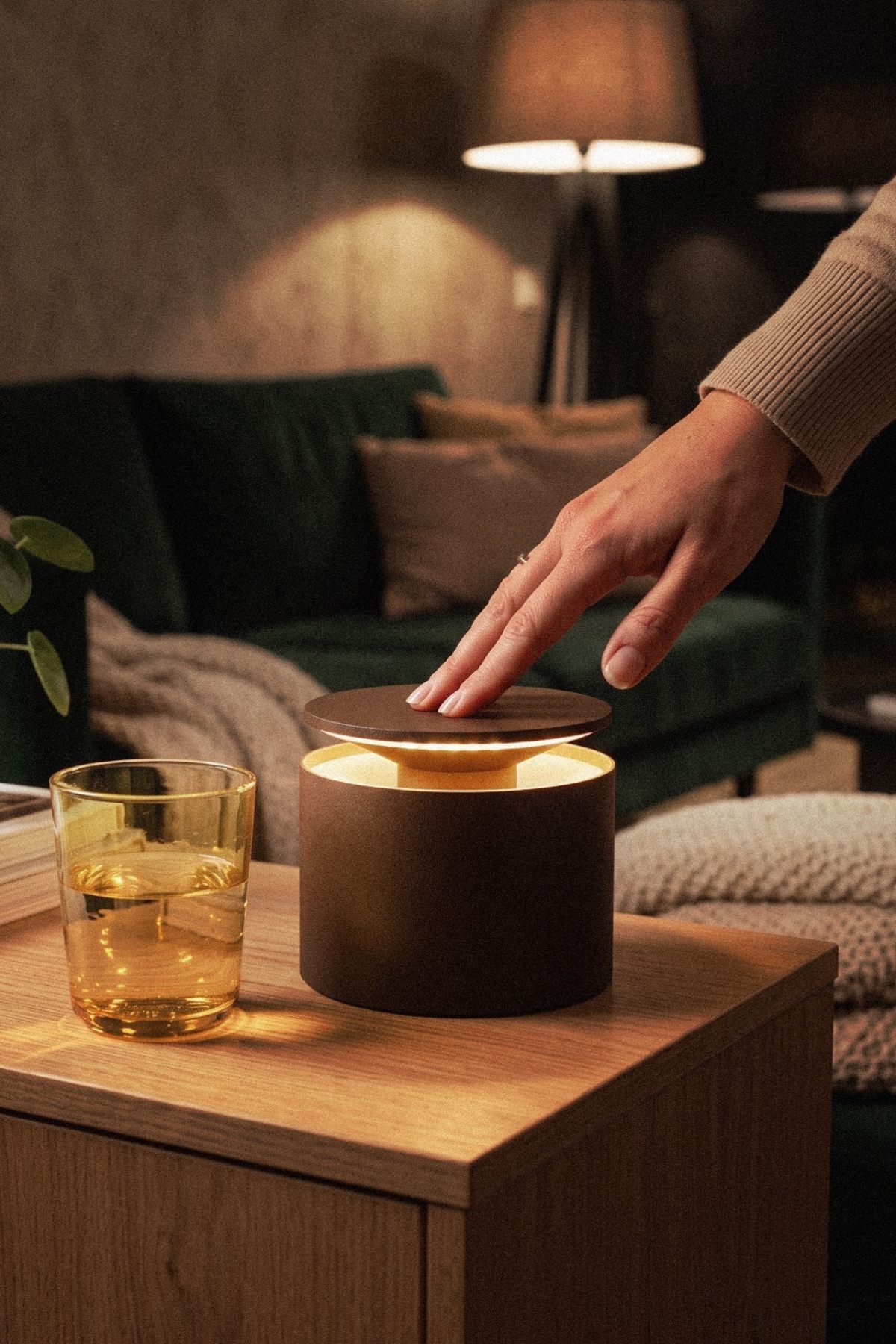
By keeping the color palette strictly neutral and focusing on high-quality materials, the space feels uncluttered yet comfortable. Cordless table lamps allow you to move your light source exactly where you need it without managing untidy cables.
As a reading nook, this hybrid style eliminates all visual chaos. The simple, functional forms and muted textures allow you to sit down and read without any surrounding design elements competing for your attention.
Montenegrin coastal classicist veranda reading retreat
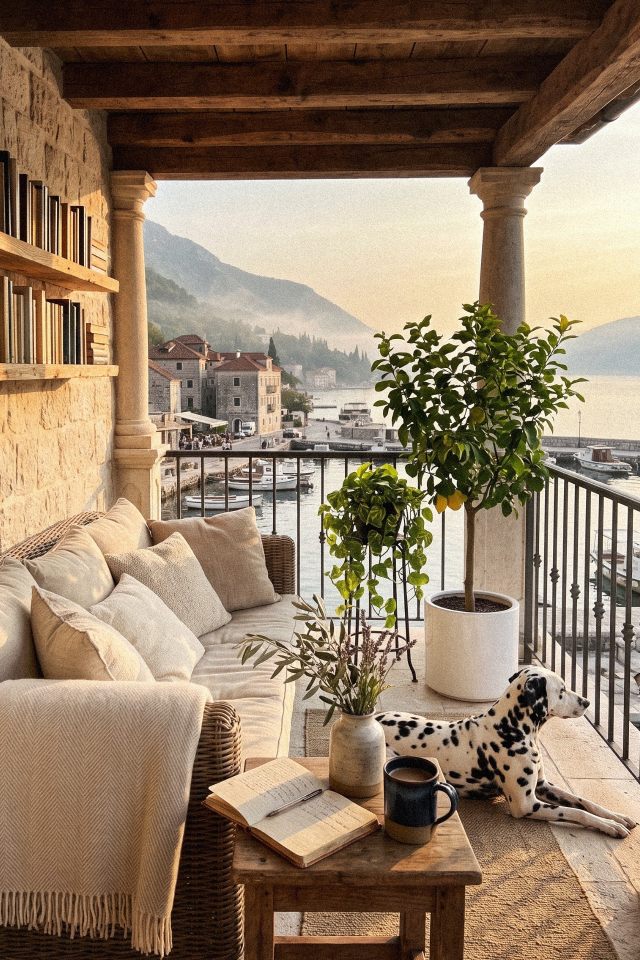
Mediterranean classicism on the Montenegrin coast combines sturdy stone flooring and simple architectural columns with relaxed rattan and linen furniture. It is a design style built around outdoor-indoor living and natural ventilation.
Raw linen cushions and light wool blankets keep the seating comfortable during cool coastal mornings. Simple stoneware accessories and dark iron hardware provide a modest, rustic contrast to the pale stone surfaces.
This creates a wonderfully airy reading nook. The open layout and natural materials encourage a relaxed posture, perfect for light reading while enjoying the surrounding view.
German Bauhaus emotional minimalism reading space
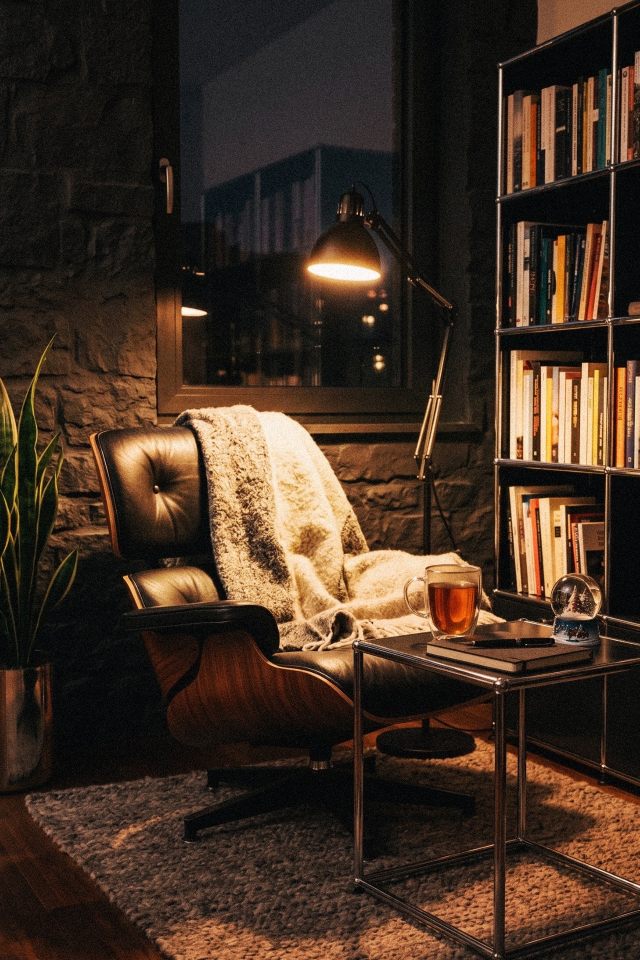
Bauhaus design focuses on industrial precision, structural clarity, and functional honesty. Iconic pieces like leather lounge chairs with dark walnut shells pair with modular steel shelving systems to create an orderly, efficient layout.
Exposed chrome, matte stone walls, and directional steel task lamps prioritize utility over ornament. A simple woolen blanket adds just enough softness to ensure the space remains comfortable for extended use.
For a reading nook, this rational approach works exceptionally well. Everything has a clear purpose, the lighting is precisely directed for reading, and the structural steel frames keep the space feeling organized and calm.
Prague baroque-modern heritage reading attic
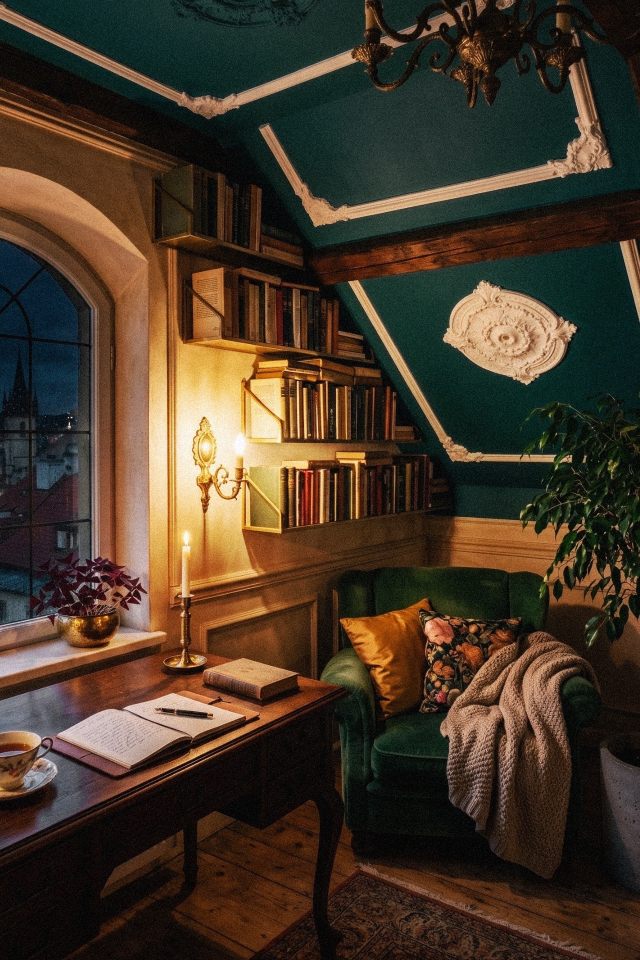
Prague heritage style combines ornate historical architecture – like detailed ceiling roses and restored panel moldings – with bold modern color choices. Deep teal ceilings contrast sharply with traditional wooden writing desks and rich velvet seating.
Plush velvet upholstery layered with silk and wool brings physical warmth to large, high-ceilinged rooms. Brass sconces cast a warm, localized glow that highlights the architectural details while keeping the reading area cozy.
This style creates a reading corner with a strong sense of character. The mix of grand historical plasterwork and deep, moody colors gives the nook a theatrical yet comforting atmosphere.
Belgian apartment secret reading alcove
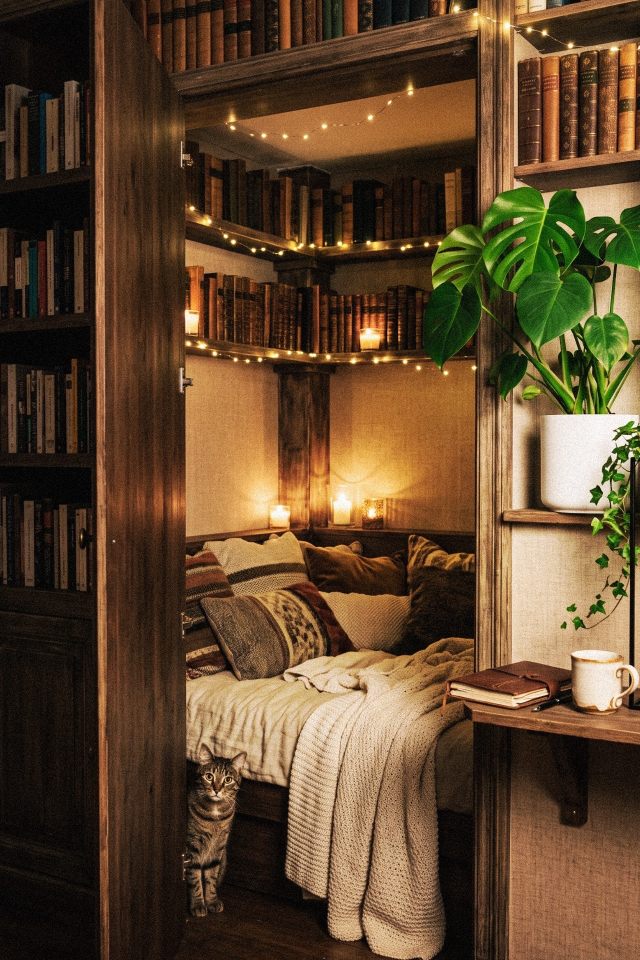
The Belgian secret alcove concept utilizes hidden Murphy door bookcases and recessed wall nooks to maximize space in compact city apartments. Textured linen wallpaper inside the alcove turns a small architectural cavity into a private room within a room.
A built-in daybed piled with plush cushions and knitted throws turns an otherwise wasted corner into primary seating. Soft fairy lights and warm lamps make the small footprint feel cozy rather than cramped.
It is the ultimate reading hideaway. By physically separating the reading space from the main living area behind a hidden door, it offers total privacy and freedom from daily household distractions.
Dutch canal-house earthy tone reading place
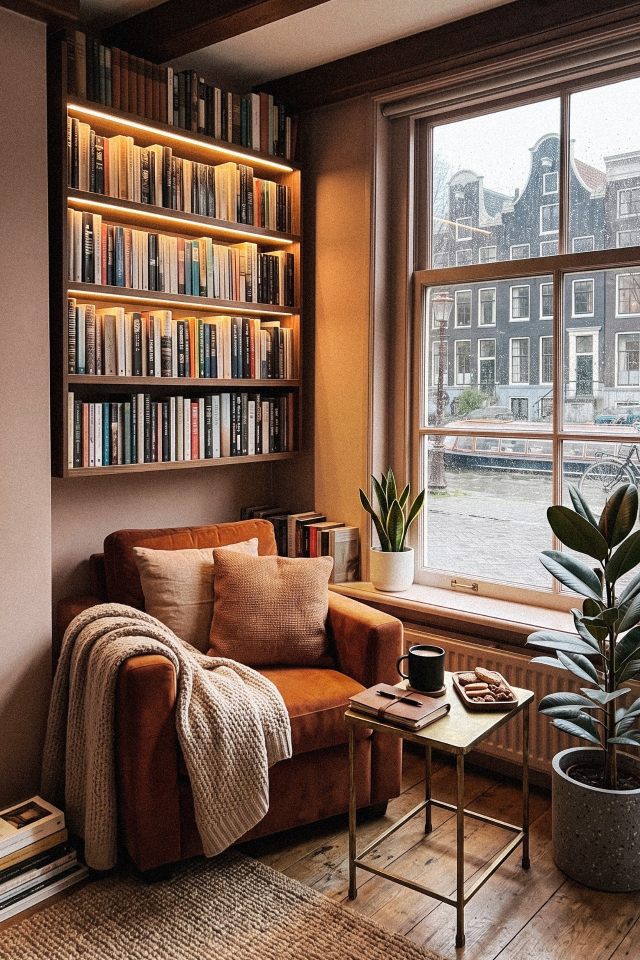
Dutch interior design often employs deep, rich earth tones like roasted coffee espresso brown to create a protective, comfortable feel during long overcast afternoons. Under-shelf LED strip lighting provides subtle, warm task light without cluttering small rooms.
Velvet armchairs paired with unlacquered brass side tables offer a practical combination of soft seating and durable surfaces. Tonal cushions and wool throws maintain a low-contrast, visually quiet environment.
This approach creates a deeply soothing reading nook. The dark brown walls wrap around the reader, creating a snug, quiet environment that feels detached from the rainy weather outside.
Yorkshire Moors romantic gothcore reading space
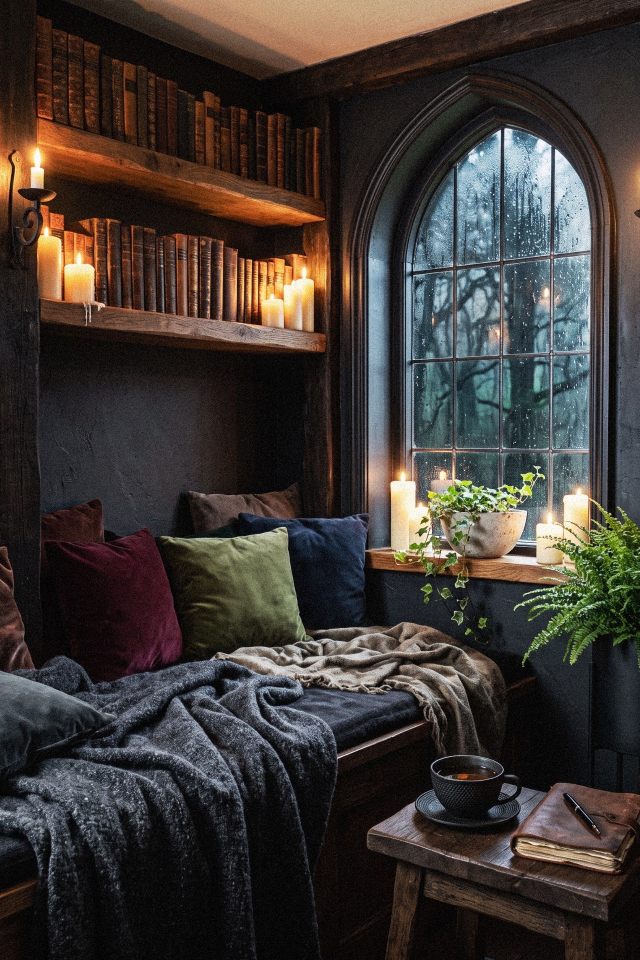
Gothcore on the Yorkshire Moors uses dark charcoal walls, heavy timber window frames, and deep window seats to build a dramatic, sheltered indoor sanctuary. It is a style designed to contrast sharply with the wild, weather-beaten landscape outside.
Thick charcoal wool blankets, heavy velvet cushions, and dark wood finishes absorb light and sound, making the nook feel exceptionally quiet. Low brass sconces provide just enough warm light to read comfortably by the window.
It makes a superb reading corner for fans of classic literature. Sitting in a deep timber window seat while listening to rain against the glass provides a distinctly atmospheric reading experience.
Greek organic under the stairs reading nook
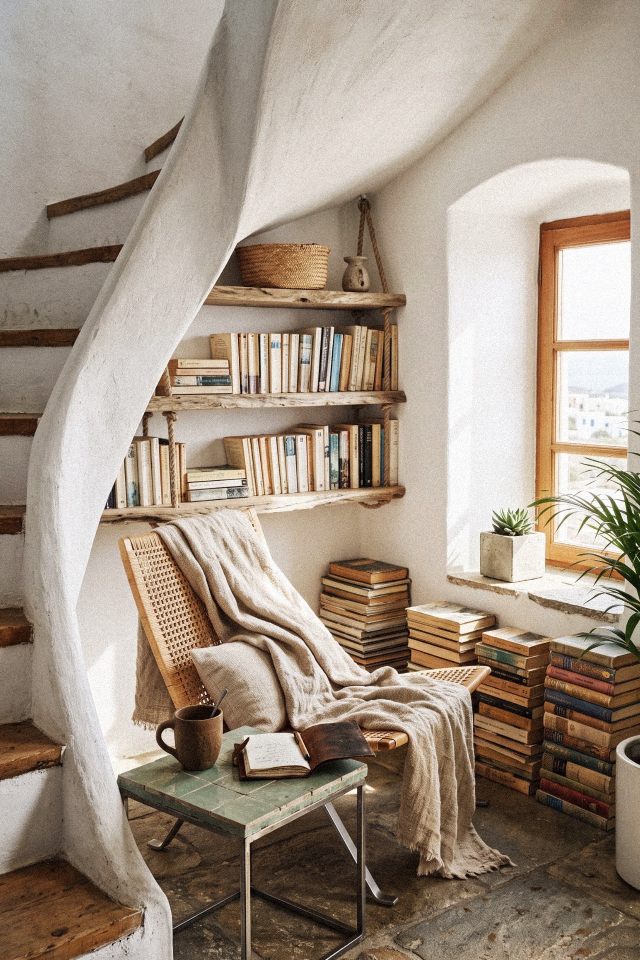
Greek island design uses bright white lime-washed walls and sage-green zellige tiling to keep spaces feeling fresh and cool. Low-slung cane lounge chairs keep the furniture profile close to the floor, enhancing the sense of ceiling height.
Raw linen throws and simple clay pottery complement the rough, matte texture of the walls. Stacking books directly on the floor or on low tiled surfaces maintains an unpretentious, functional layout.
It works as a reading nook because of its extreme simplicity. The clean white backdrop maximizes natural light, while the modest, organic furniture ensures you remain comfortable without unnecessary fuss.
Europe inspired reading nooks – conclusions
Building a reading nook is not about creating a flawless photo for the internet. It is about setting up a practical, comfortable space where you can sit for two hours without getting a backache.
Whether you prefer the crisp order of a German Bauhaus setup or the sheltered feeling of an Oxford library corner, the rules remain the same. Prioritise decent task lighting, choose durable textiles, and keep visual clutter to a manageable minimum.
Pick the European style that fits your existing room and your natural habits. Once the chair is comfortable and the lamp is adjusted, the only thing left to do is open the book.




 Ohävn
Ohävn 
You must be logged in to post a comment.